
Handicaps and the Handicapper
How marks bring the field together, and the experience behind each decision.
How it works
Handicap racing
Many people are familiar with handicapped horse racing, where weight is added to better horses to slow them and bring the field together. Handicapped sprinting has existed in Australia and Scotland for over 150 years.
Where horses are handicapped by weight, runners are handicapped by distance. The professional sprint distance in Scotland is 110 metres, and male and female runners compete together.
Each athlete’s mark
Every runner receives a mark based on their age, sex and running ability. Personal bests (PBs) are considered, and the handicapper determines the mark and therefore the head start for each athlete.
Front and back markers
A top-quality runner is a backmarker and may run the full 110m. An older or less talented runner may be a front marker, receiving a head start which varies according to the athlete.
Race example
With six runners, the backmarker might give another runner a 15 metre head start. After the gun, the first athlete through the line wins. The aim is for the field to converge towards the finish, producing close racing.
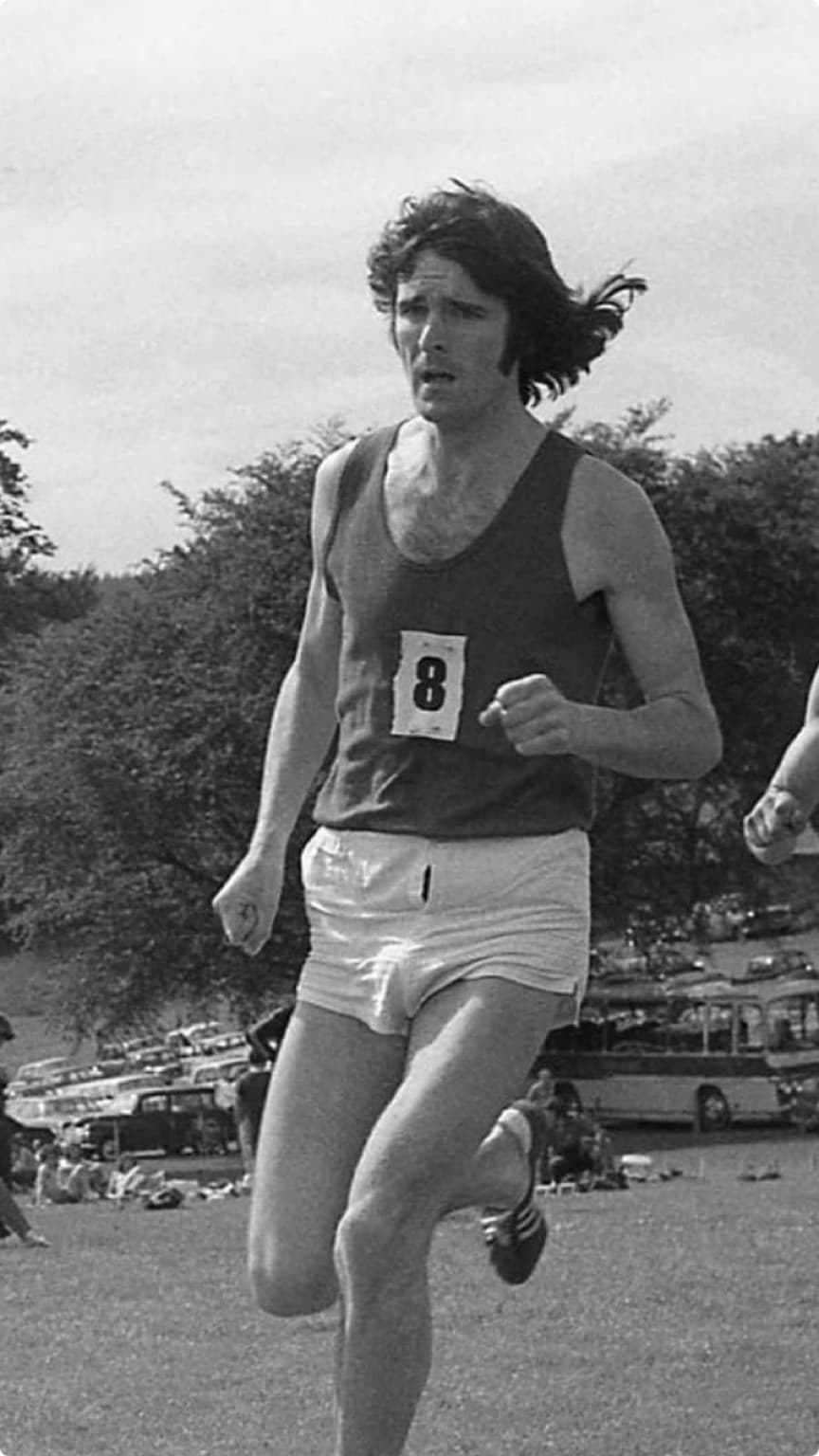
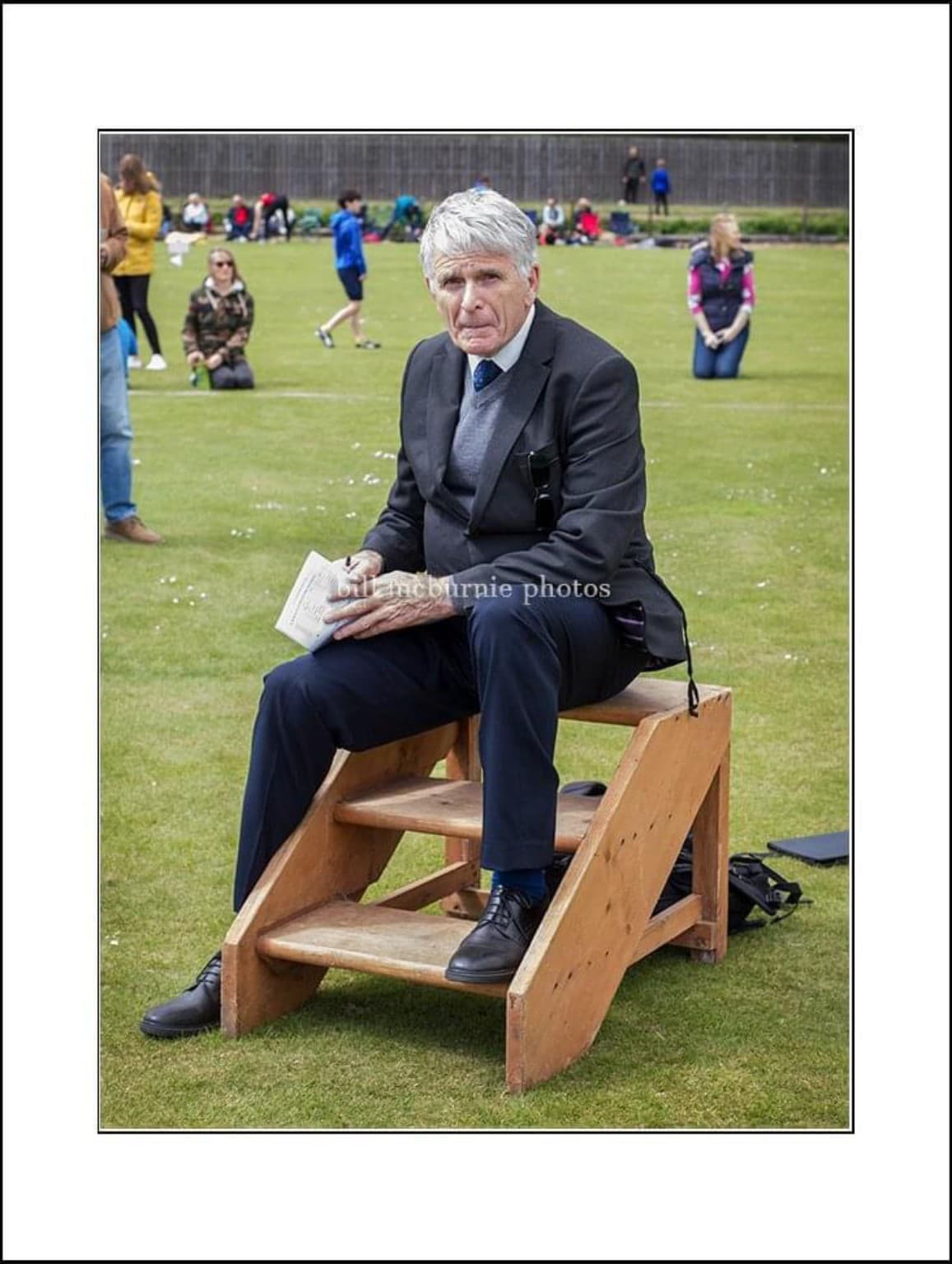
Robert Inglis
The Handicapper
The handicapper assesses the times submitted by athletes, checks Power of 10 to verify those times, and assigns each runner’s mark.
If the handicapper believes times have been falsified to obtain a better mark, he may disqualify or pull the runner.
Robert Inglis
The New Year Sprint handicapper, Robert Inglis, was a professional athlete in the 1970s. His athletic career ended after a serious injury, and he moved into coaching in the 1980s.
Over around 30 years of coaching, Robert worked with many Scottish athletes. Five represented Scotland at Commonwealth Games and European Championships, while two represented Great Britain at World Championships and Olympic Games.
James describes Robert as one of Scotland’s best sprint coaches. His knowledge of sprinting makes him well placed to handicap this historic event.